When considering materials for construction or manufacturing, the choice of steel is crucial. Among various options, Carbon Steel Coil Hot Rolled stands out for its practicality. This material is widely used due to its unique properties and versatility. It offers strength and durability, making it ideal for various applications.
However, the benefits of Hot Rolled Carbon Steel Coil extend beyond mere strength. The manufacturing process results in a surface with a rough finish, which can be advantageous for certain projects. This characteristic can enhance adhesion during processes like painting or coating. It's essential to weigh these factors carefully.
The use of Carbon Steel Coil Hot Rolled is not without challenges. It’s important to consider its susceptibility to corrosion and how this may impact long-term projects. Understanding these limitations can guide you in making more informed decisions. Proper handling and maintenance can mitigate some drawbacks. In the end, the right choice hinges on specific project needs and conditions.
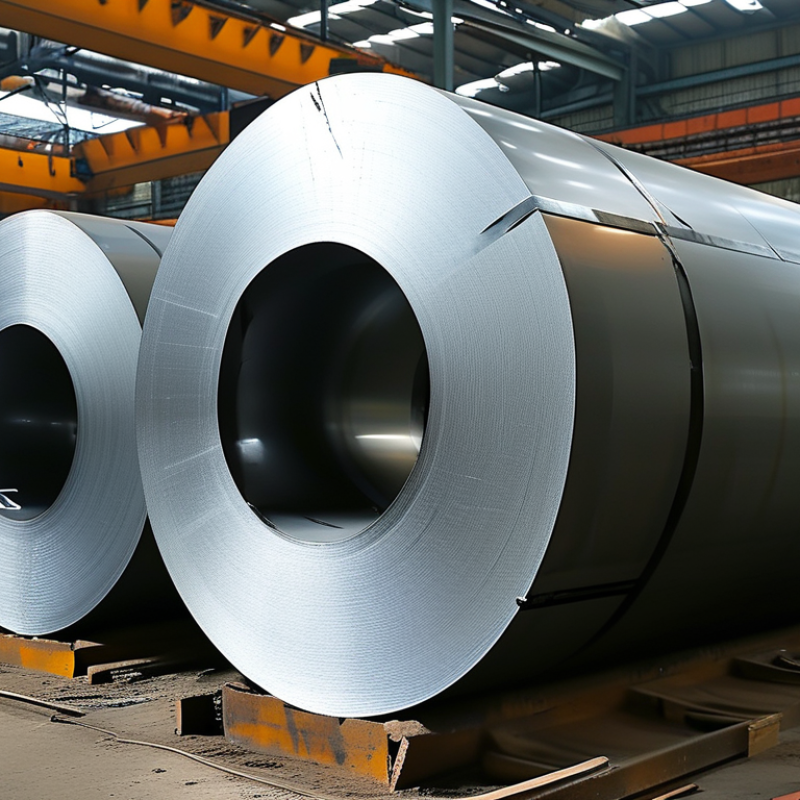
Benefits of Using Hot Rolled Carbon Steel Coil in Construction Projects
Hot rolled carbon steel coil is a popular choice in construction due to its many benefits. Its production process results in a material that has relatively low manufacturing costs. According to industry reports, the hot rolling technique allows for significant deformation, which enhances the steel’s usability. This process helps in crafting shapes and sizes that fit various project requirements.
Another advantage is its excellent ductility and weldability. Hot rolled carbon steel can easily be formed into complex shapes. This flexibility is particularly beneficial for structural applications such as beams and columns. Research shows that the material can withstand significant stress, which is critical for safety in construction projects. Moreover, the surface finish of hot rolled steel allows for effective adherence of protective coatings, enhancing its durability in harsh environments.
However, there are considerations to keep in mind. The surface oxidation seen in hot rolled coils can impact aesthetic quality and corrosion resistance. Projects requiring long-term exposure may need additional protective measures. While hot rolled carbon steel is versatile, it may not be suitable for all applications. Detailed project specifications should dictate its use. Balancing these factors ensures that hot rolled carbon steel contributes effectively to construction goals.
Key Characteristics of Hot Rolled Carbon Steel Coil
Hot rolled carbon steel coils have unique characteristics that make them suitable for various projects. One defining feature is their ability to retain high strength while being flexible. This combination allows for easy fabrication into different shapes. The manufacturing process also enhances ductility, which is crucial for construction applications. Additionally, the surface finish of hot rolled coils is generally rough. This can pose challenges in some projects requiring a smoother surface. However, it can be beneficial in specific rugged applications.
Another key aspect is the cost-effectiveness of hot rolled carbon steel coils. Their production requires less energy compared to cold rolled alternatives. This lowers overall expenses, making them a practical choice for large-scale projects. However, one must consider the potential for greater dimensional tolerances. The coils may not always meet precise specifications, leading to issues in advanced engineering applications. Understanding these properties is essential for maximizing their use while navigating any limitations.
Applications of Hot Rolled Carbon Steel Coil in Various Industries
Hot rolled carbon steel coils play a significant role across various industries. Their applications extend from construction to manufacturing, making them versatile. In construction, these coils provide the backbone for structural components. They are strong and reliable, essential for beams and columns. The automotive industry also benefits. Manufacturers use them for chassis and body parts, ensuring durability and safety in vehicles.
In the manufacturing sector, hot rolled coils are key in producing heavy machinery. Their formability allows for the creation of intricate shapes. Moreover, the process of hot rolling gives these steel coils unique properties, enhancing their workability. However, the thickness can vary. It's crucial to select the right specifications for each project, as not all applications require the same material qualities.
Here are some essential pointers: Always consider the environment where the steel will be used. Temperatures and moisture can impact performance. Understand the load-bearing requirements and any additional treatments needed. Sometimes, imperfections in the steel can arise, leading to reflections on quality control processes. Being aware of these factors ensures better outcomes in your projects.
Why Choose Hot Rolled Carbon Steel Coil for Your Project?
| Industry |
Application |
Benefits of Hot Rolled Carbon Steel Coil |
Common Thickness Range (mm) |
| Construction |
Structural beams, columns, and frames |
High ductility and weldability |
5-25 |
| Automotive |
Body panels and frames |
Cost-effective and strong |
3-12 |
| Manufacturing |
Machinery parts and equipment |
Versatile and easy to work with |
4-20 |
| Energy |
Pipelines and storage tanks |
High strength and fatigue resistance |
6-30 |
Comparing Hot Rolled and Cold Rolled Steel: Which is Better?
When deciding between hot rolled and cold rolled steel, it's essential to understand their key differences. Hot rolled steel is processed at high temperatures, which allows it to be easily shaped and formed. This makes it suitable for large structural components. Its rough surface and less precise dimensions can be an advantage in certain applications where strength is prioritized over aesthetics.
Cold rolled steel undergoes additional processing for tighter tolerances. It is often smoother and has a more refined finish. This type of steel is ideal for projects requiring precision, like automotive and aerospace applications. However, the extra processes can make it more expensive and reduce its malleability. The choice really depends on project specifications.
Despite their distinct advantages, both types have drawbacks. Hot rolled steel can be more susceptible to warping during cooling. Cold rolled steel, while precise, may not withstand extreme conditions as effectively. It's crucial to weigh these factors carefully. Each project’s needs vary, so a thorough assessment of application requirements is necessary.
Comparison of Hot Rolled and Cold Rolled Steel Properties
This chart illustrates the comparison of key properties between hot rolled and cold rolled steel. Hot rolled steel generally has lower strength but provides better workability, while cold rolled steel offers higher strength and a smoother surface finish.
Cost-Effectiveness of Hot Rolled Carbon Steel Coil for Projects
Hot rolled carbon steel coil is an attractive choice for many projects, particularly due to its cost-effectiveness. Industry reports indicate that its production process allows for significant savings in materials. According to the American Institute of Steel Construction, hot rolled steel is generally cheaper than cold rolled alternatives by about 20-30%. This difference can add up quickly for large-scale projects, where every cent savings counts.
Additionally, hot rolled steel's versatility contributes to its cost-effectiveness. The material can be easily shaped and formed without the need for further processing. The World Steel Association highlights that approximately 50% of the world’s steel is produced as hot rolled steel, showing a widespread dominance in the construction and manufacturing sectors. While there can be some trade-offs, such as less precision in dimensions compared to cold rolled steel, the economic benefits render it a preferred option for many applications.
However, it’s essential to consider the potential drawbacks. Hot rolled coils may have a rougher surface finish and a larger tolerance range. This can impact aesthetics or fitting with other components in a project. Understanding these compromises is crucial and helps project managers make informed decisions. Overall, weighing these factors against the benefits of cost savings provides a clearer picture for those embarking on significant construction ventures.
FAQS
: Hot rolled carbon steel coils are cost-effective and versatile. Their ductility allows for complex shapes in construction.
The hot rolling process enhances usability through significant deformation, making it easier to mold into necessary shapes.
Yes, surface oxidation can affect appearance and corrosion resistance, especially in projects exposed long-term.
Not necessarily. Its versatility has limits, and specific project requirements must guide its use.
Construction and automotive industries utilize it for structural components and vehicle parts, respectively.
It can. Greater dimensional tolerances may arise, impacting precision in advanced engineering applications.
The surface is generally rough, which can pose challenges in projects needing a smoother finish.
Very important. Temperature and moisture levels can significantly impact the steel's performance in various settings.
Imperfections may occur, reflecting the need for strict quality control to ensure reliable material use.
Load-bearing requirements and any needed treatments should be considered to ensure suitability for specific applications.
Conclusion
Hot Rolled Carbon Steel Coil is an excellent choice for construction projects due to its numerous benefits, including high strength, ductility, and ease of fabrication. The key characteristics of this material make it suitable for a wide range of applications across various industries, from structural components to automotive parts.
When comparing Hot Rolled and Cold Rolled steel, one can appreciate the advantages of Hot Rolled, particularly in terms of cost-effectiveness and versatility. Its lower production costs combined with the ability to handle large-scale projects without compromising quality make Carbon Steel Coil Hot Rolled a valuable option for anyone looking to optimize resources in their construction endeavors.

 Tezhong